Research through design for healthcare innovations
Research at MEND.lab is embedded in medical device development and addresses applied, translational questions in healthcare. Using research through design as a core approach, we investigate clinical needs through making, testing, and iterating on prototypes in realistic contexts.
Our work integrates human factors engineering, prototype development, and experimental evaluation across application domains, engaging stakeholders throughout the cycle of care to generate methods, tools, and evidence that support safe, usable, and effective healthcare technologies, with clear pathways to clinical practice and industrial development.
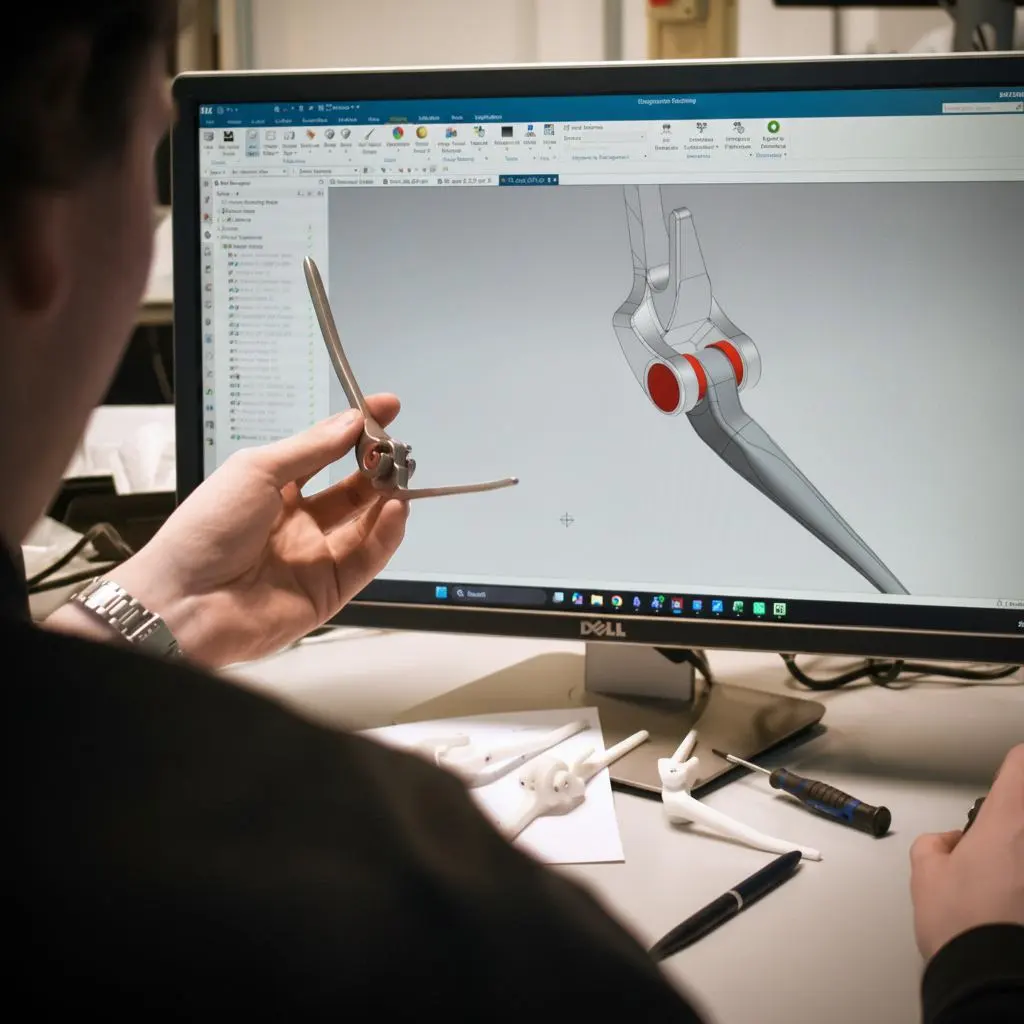
Key application domains supported through our research activities
Human-centred healthcare solutions
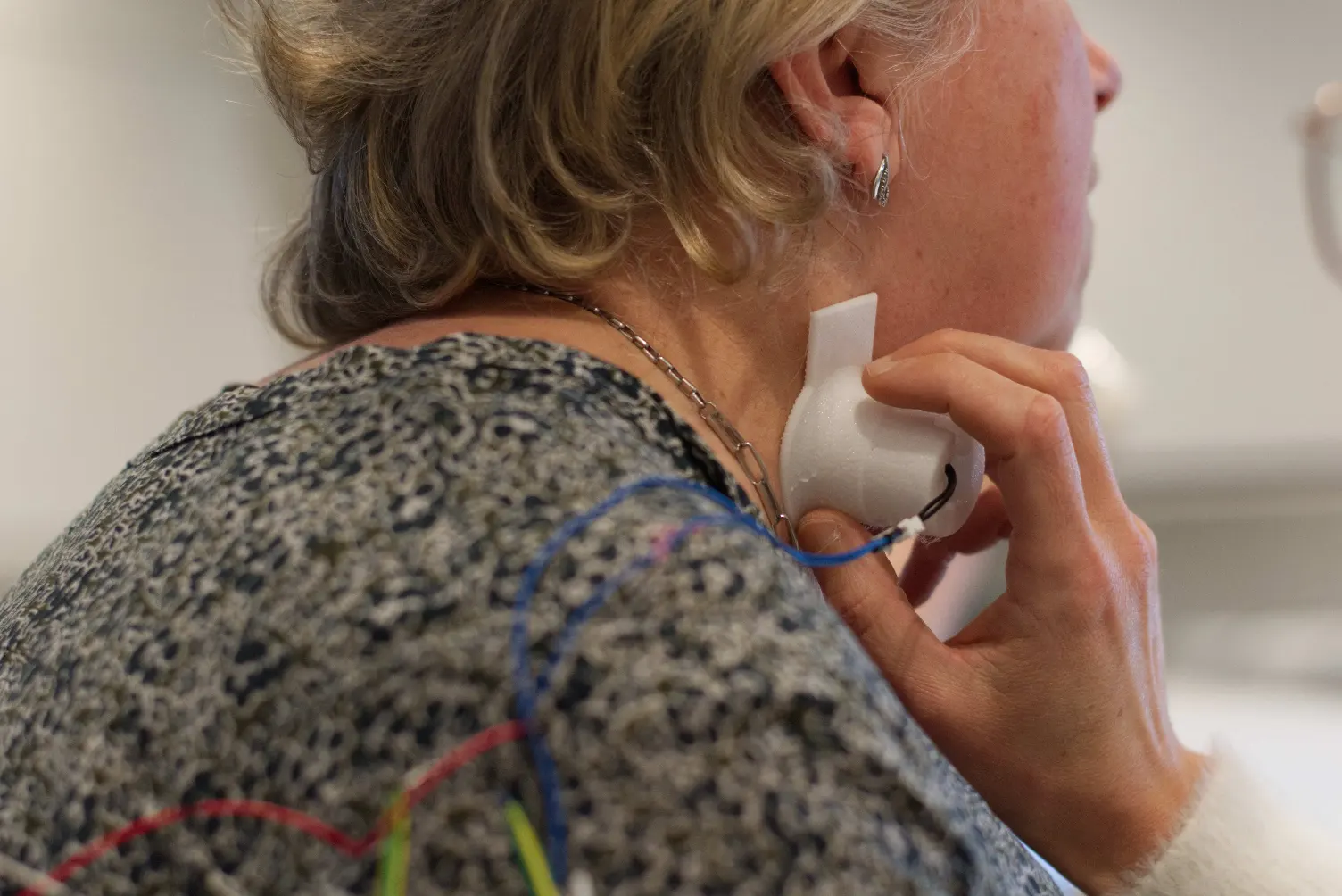
This domain focuses on the development of healthcare solutions that address unmet needs in the daily lives of patients, caregivers, and healthcare professionals. Projects range from medical devices and wearable technologies to products that improve comfort, dignity, independence, and quality of care. By combining human-centred design methods with close collaboration between end users, clinicians, and other stakeholders, solutions are developed through iterative prototyping and evaluation to ensure they are effective, usable, and meaningful in real-world healthcare settings.
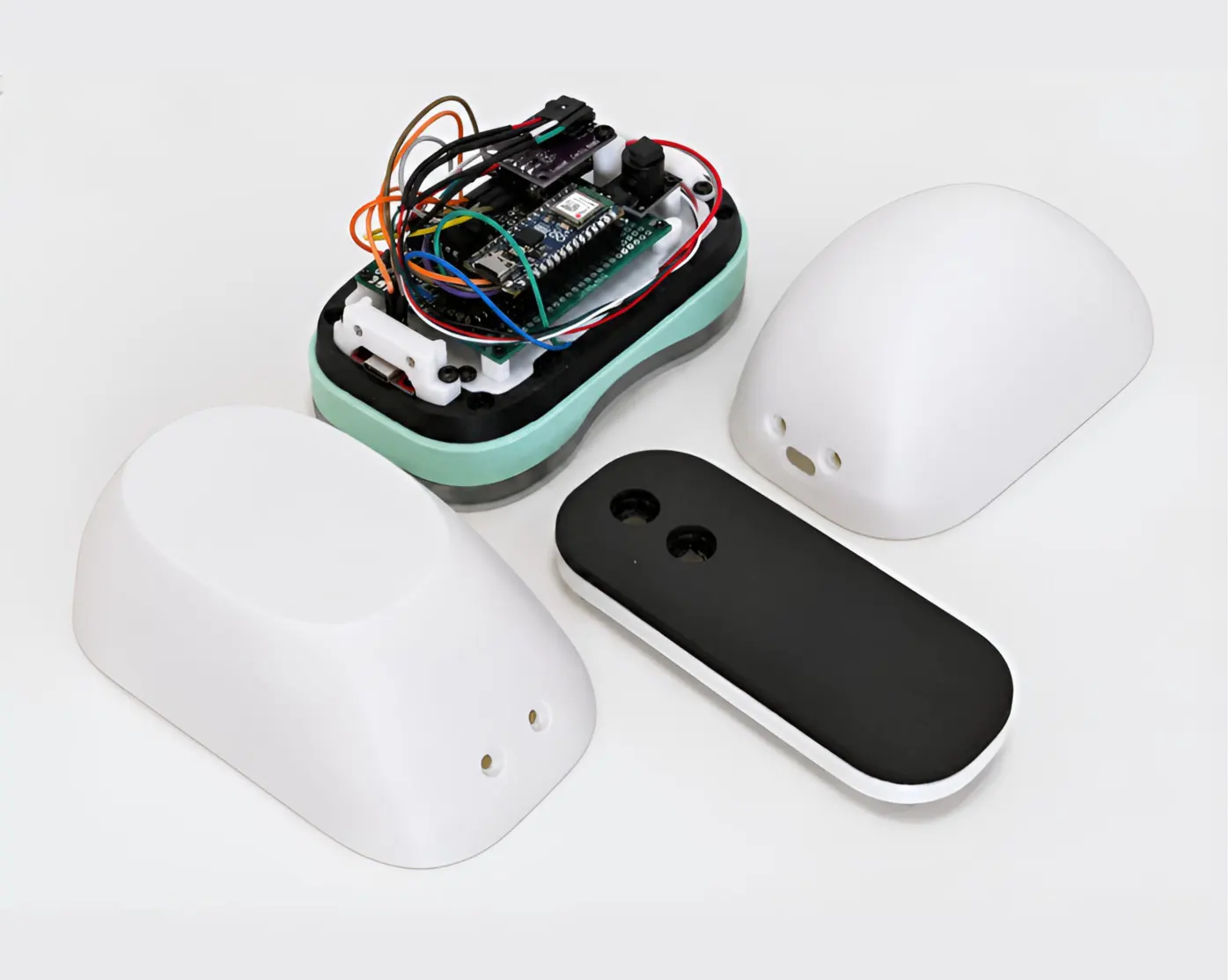
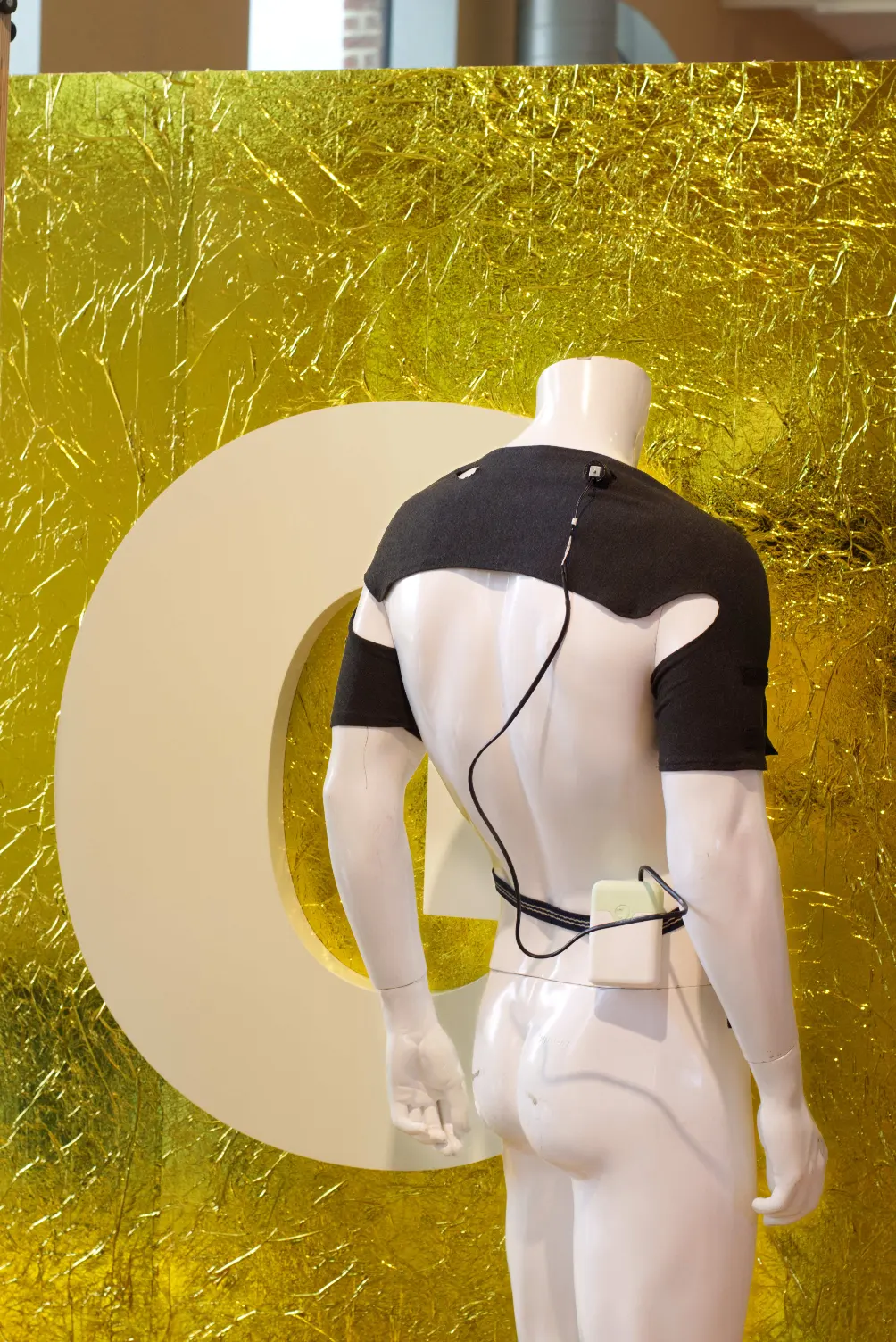

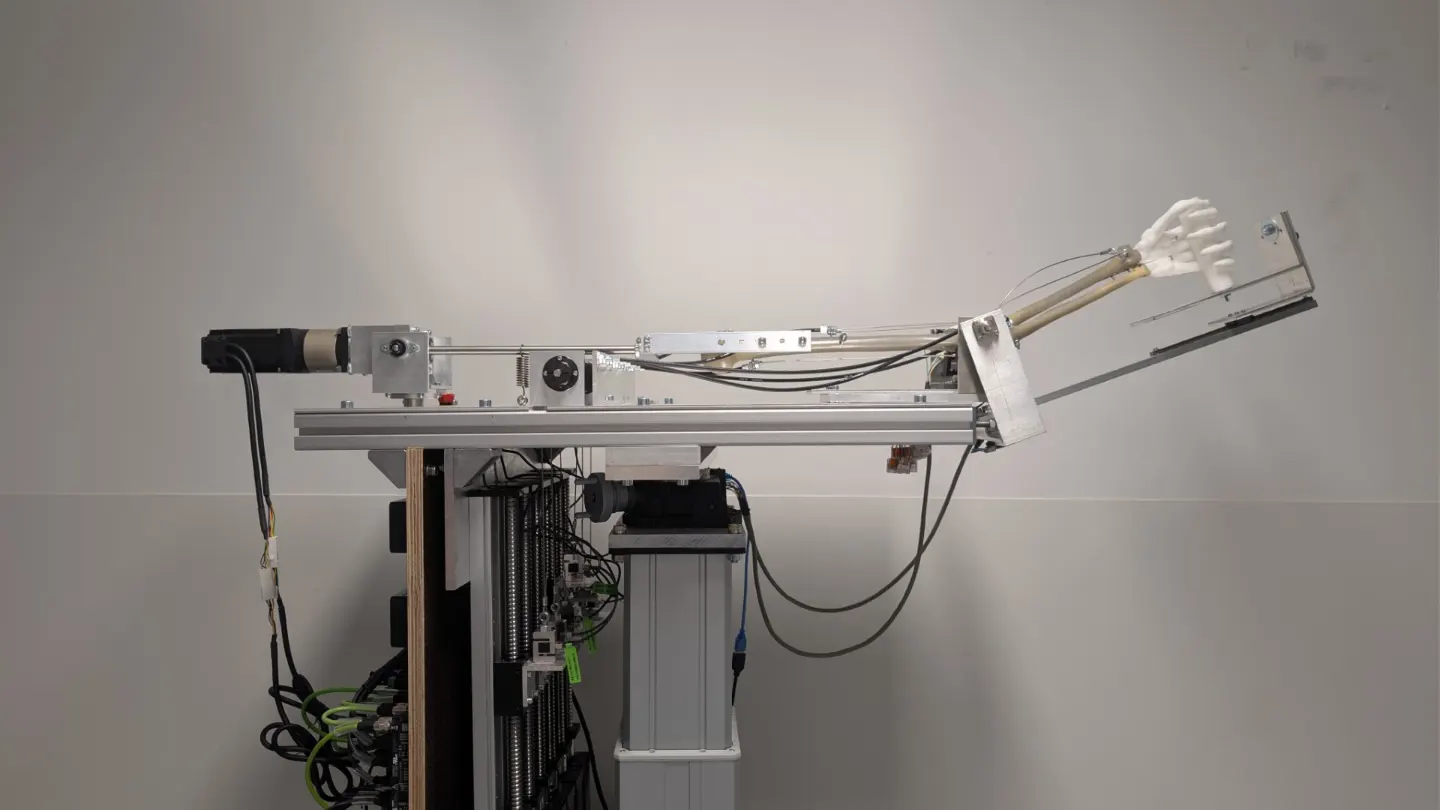

Research, testing and training tools
Research and testing devices are developed to support ongoing biomedical research and experimental work. This includes custom tools and setups such as positioning systems for sensors, tendon clamping devices, motion tracking solutions, and other forms of research instrumentation. These projects often require precise technical design and close collaboration with researchers to ensure that devices integrate seamlessly into experimental protocols and produce reliable, reproducible data.
Personalised orthoses, prostheses & assistive devices
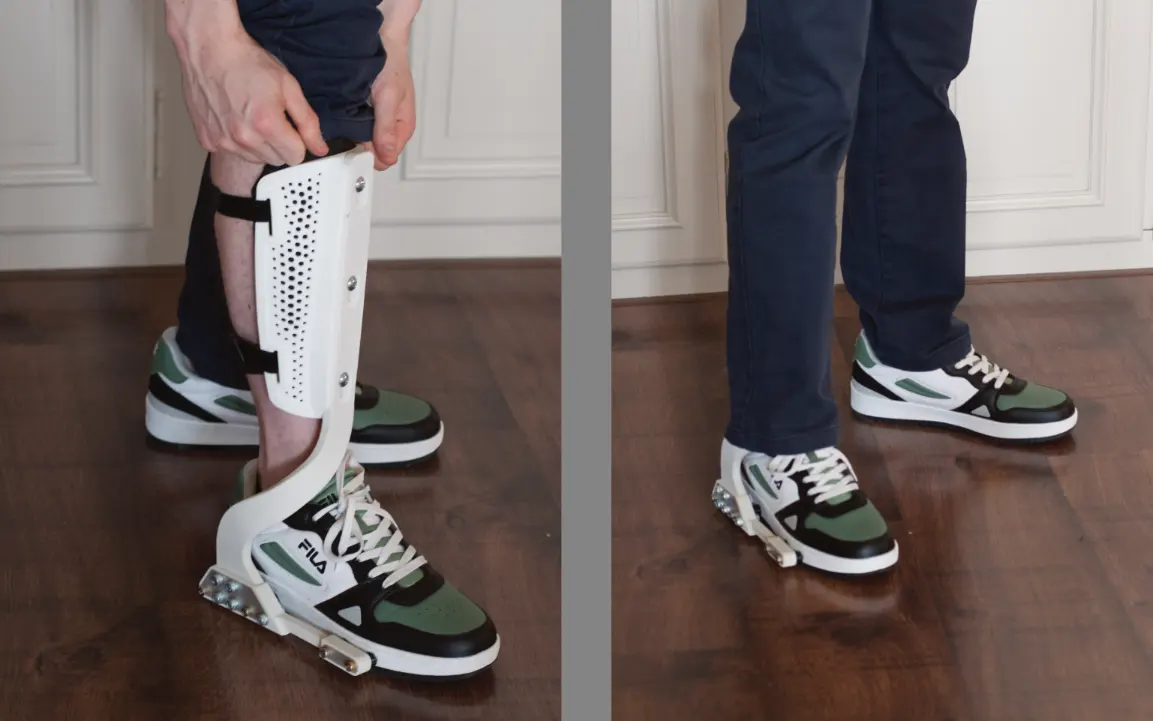
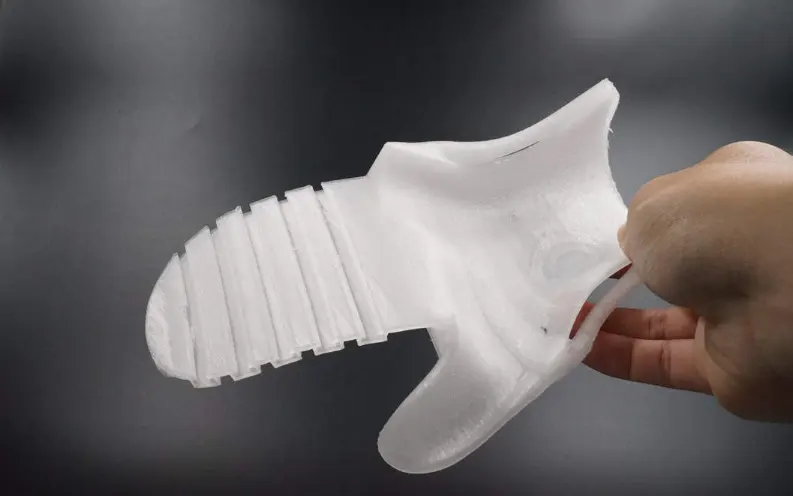
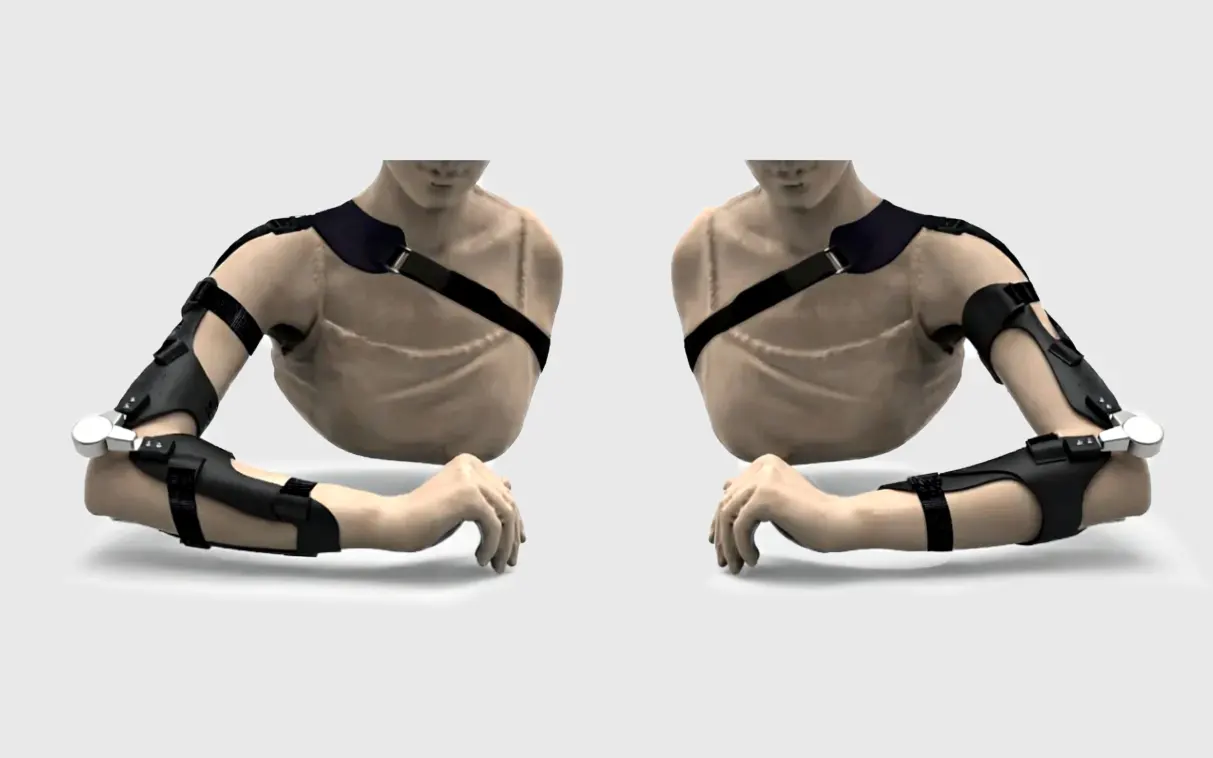
Work in this domain focuses on patient‑specific devices developed through integrated digital workflows. Projects typically move from 3D body scanning and clinical input to the design and fabrication of tailored solutions such as ankle‑foot orthoses, hand splints, and other assistive devices. Research through design plays a central role, allowing functional requirements, fit, and usability to be refined through iteration and testing in close collaboration with clinicians and end users.
Positioning & supporting devices
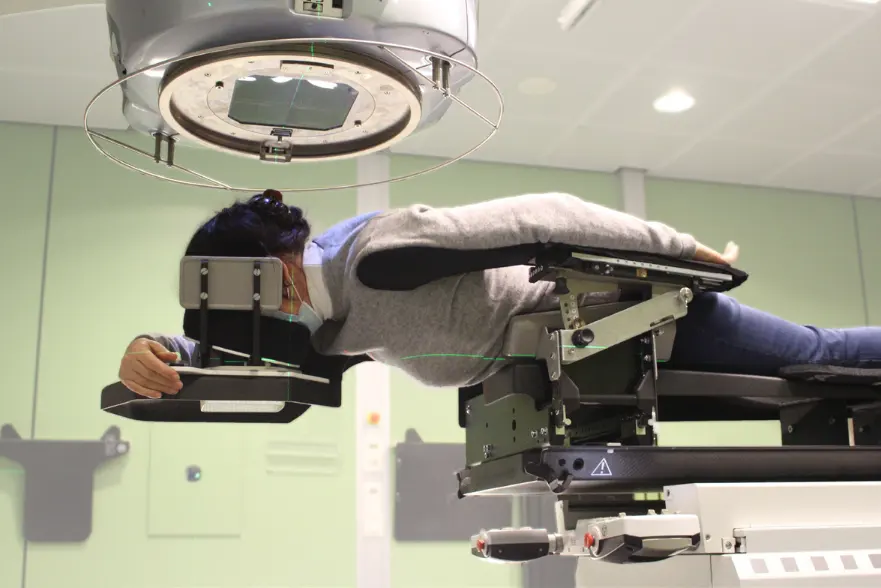
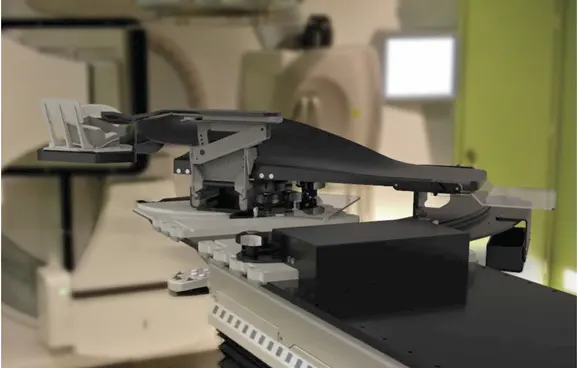
This domain covers devices that support safe and reliable positioning of patients, animals, or body parts during imaging, measurement, or treatment. Examples include devices for assessing hip laxity in dogs, head fixation systems for CT imaging, and support solutions for individuals who have been immobile for extended periods. Projects in this area often balance mechanical stability, comfort, and accessibility, and are developed through prototyping and evaluation in realistic clinical or experimental settings.
Surgical implants & instrumentation
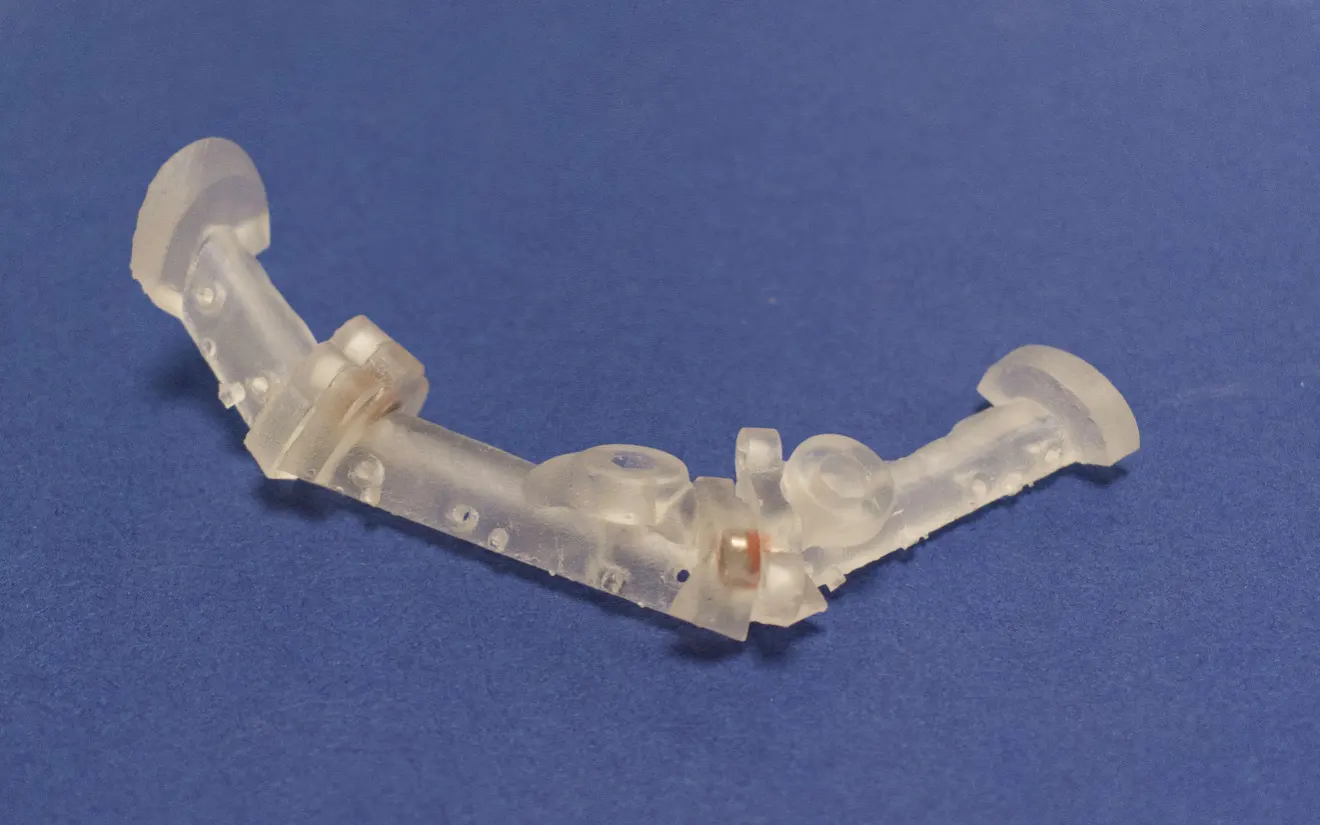
Research in surgical implants and instrumentation focuses on devices intended for use in surgical procedures or long‑term clinical applications. This includes the development of novel implants, such as joint arthroplasty systems, as well as supporting instruments like tool holders for arthroscopy. Projects in this domain typically follow longer development trajectories and involve close collaboration with clinicians, iterative testing, and consideration of regulatory and translational requirements.

An overview of peer‑reviewed publications resulting from our research activities.